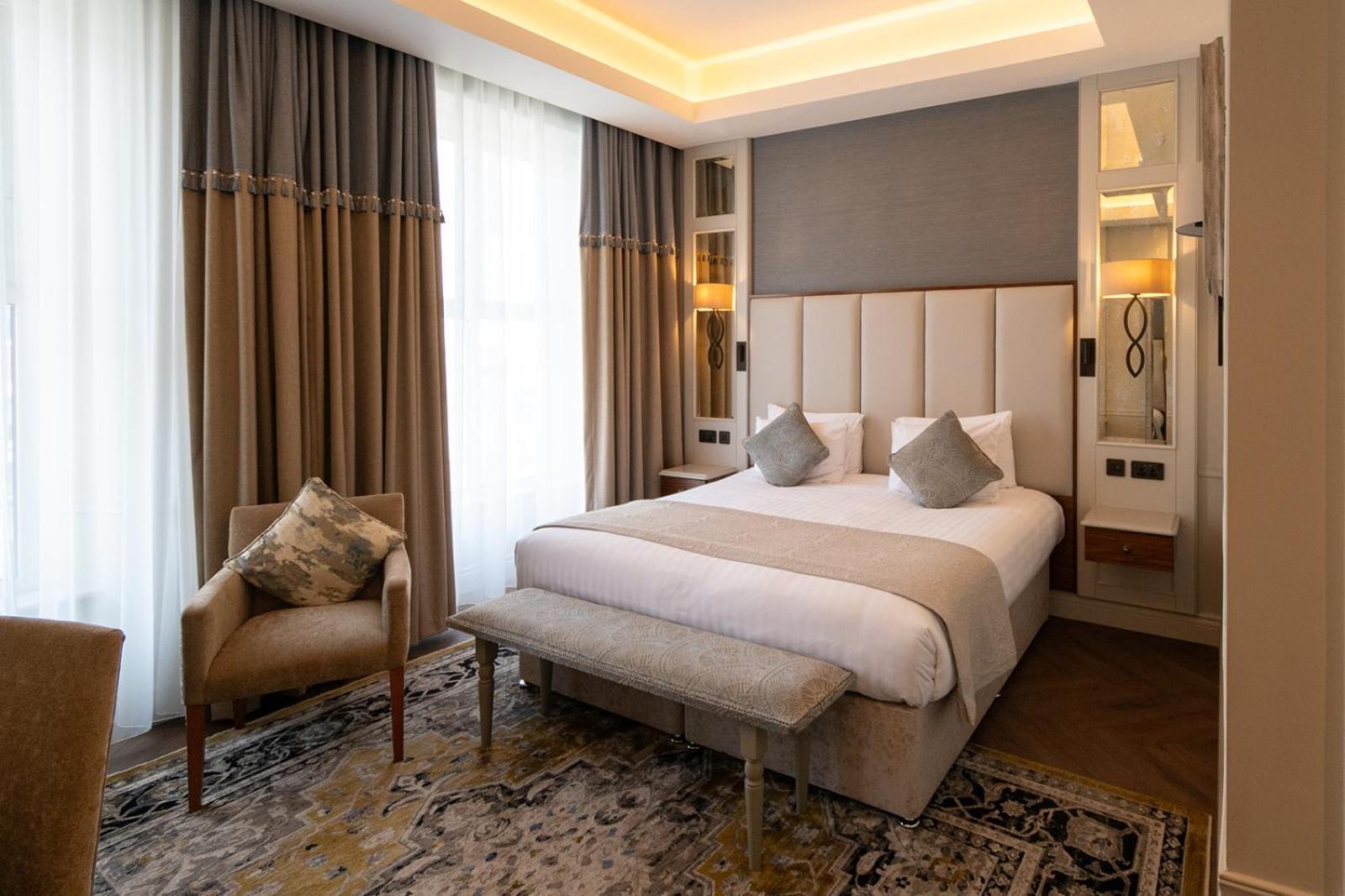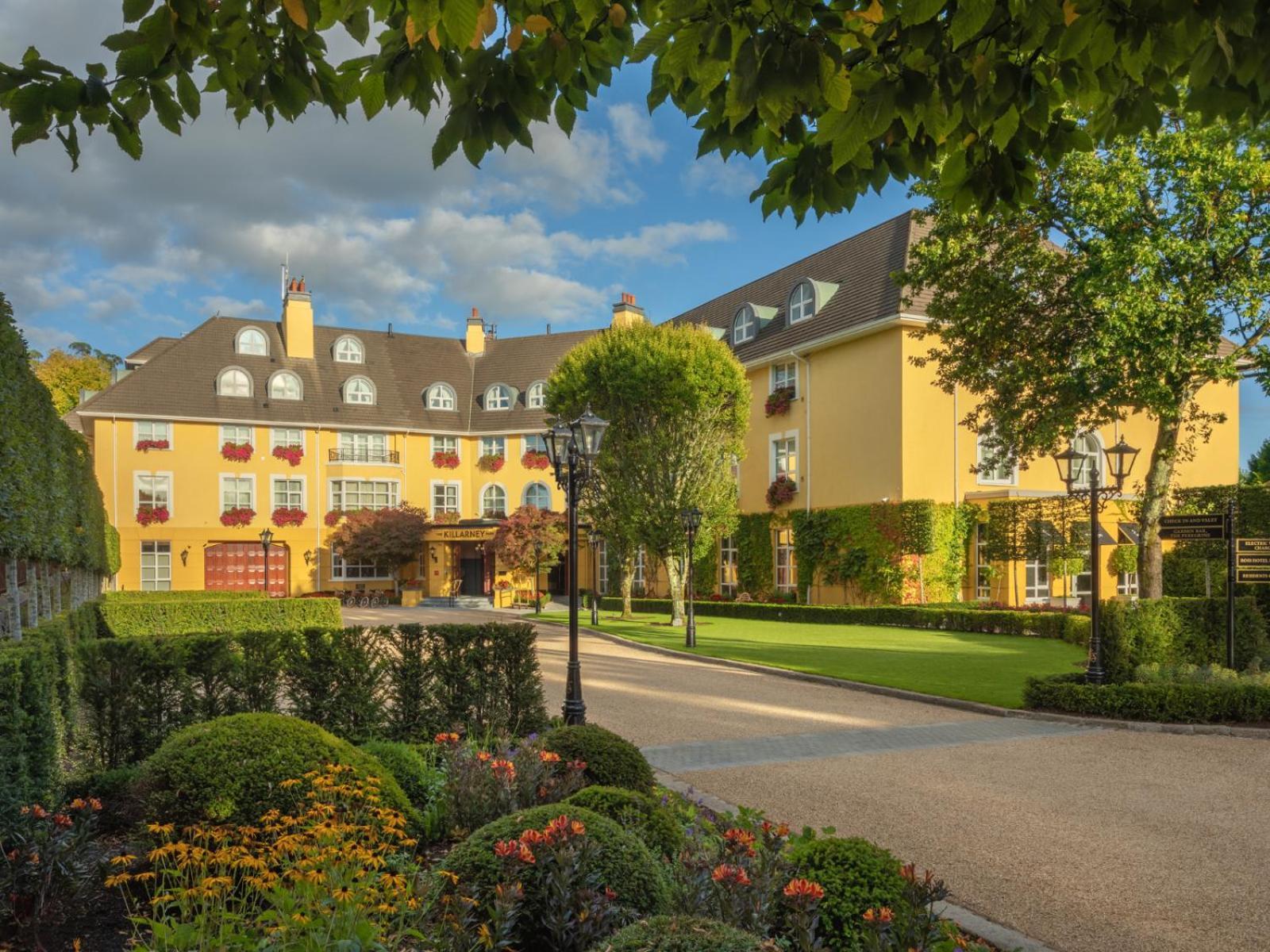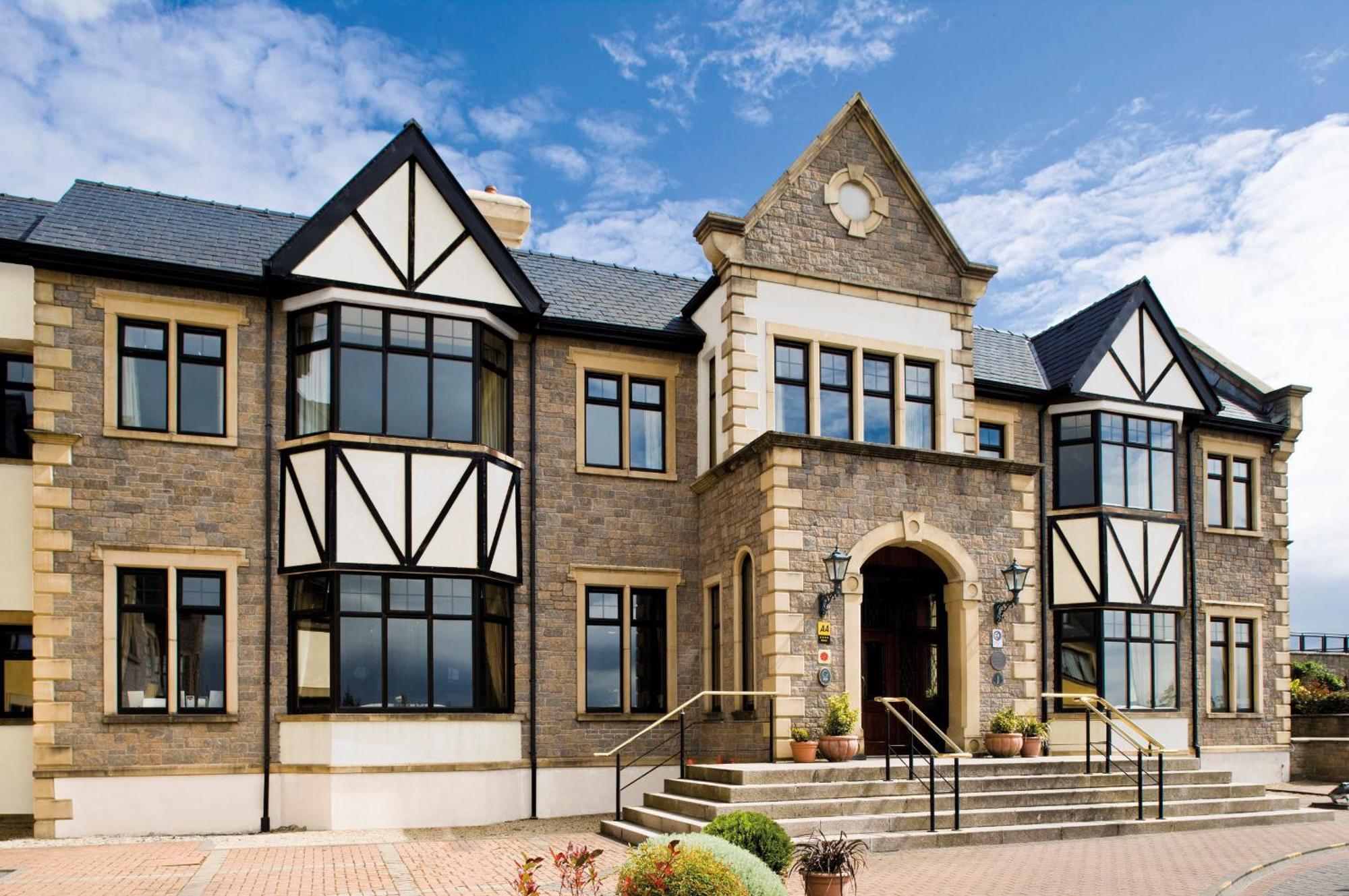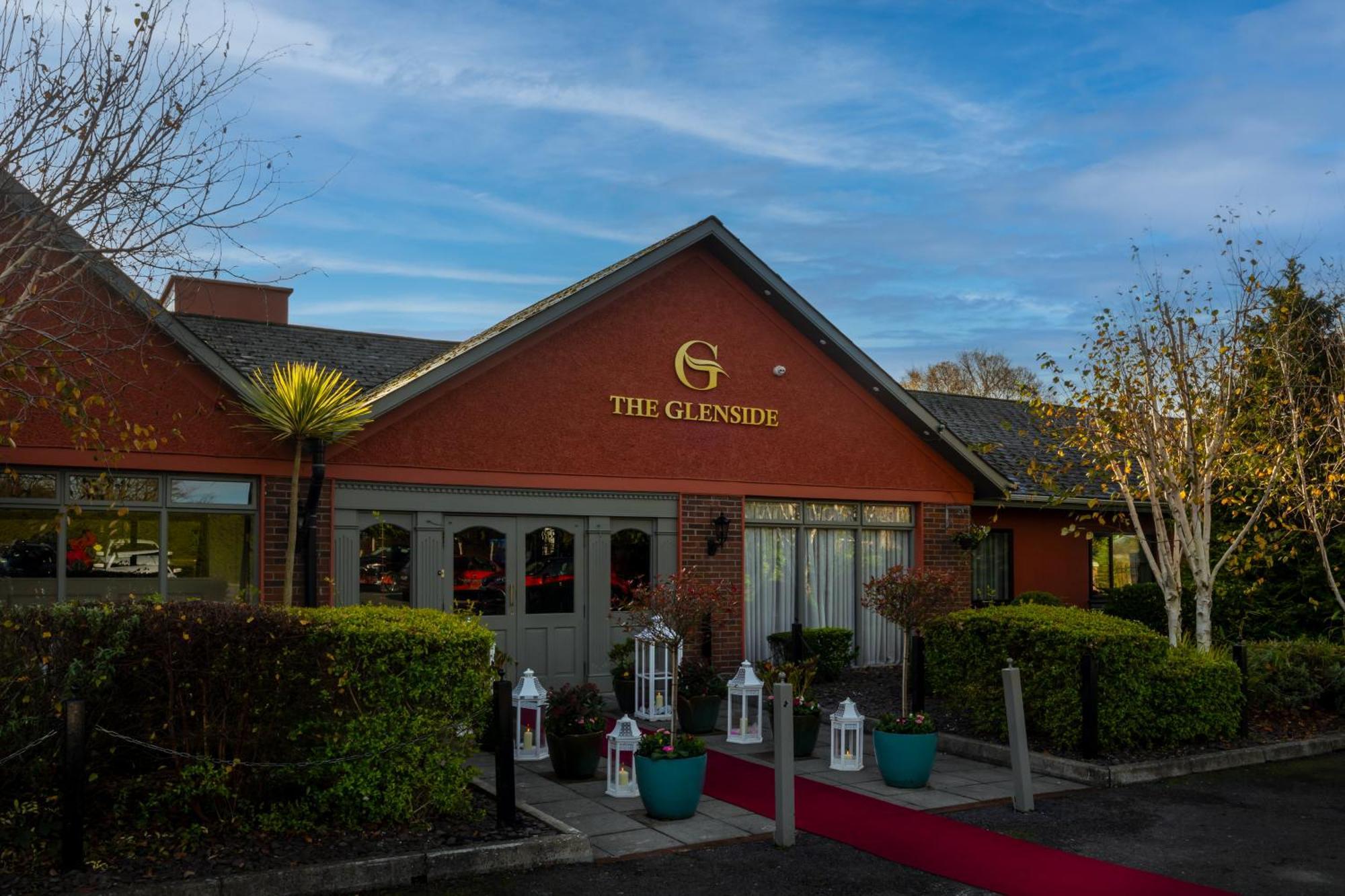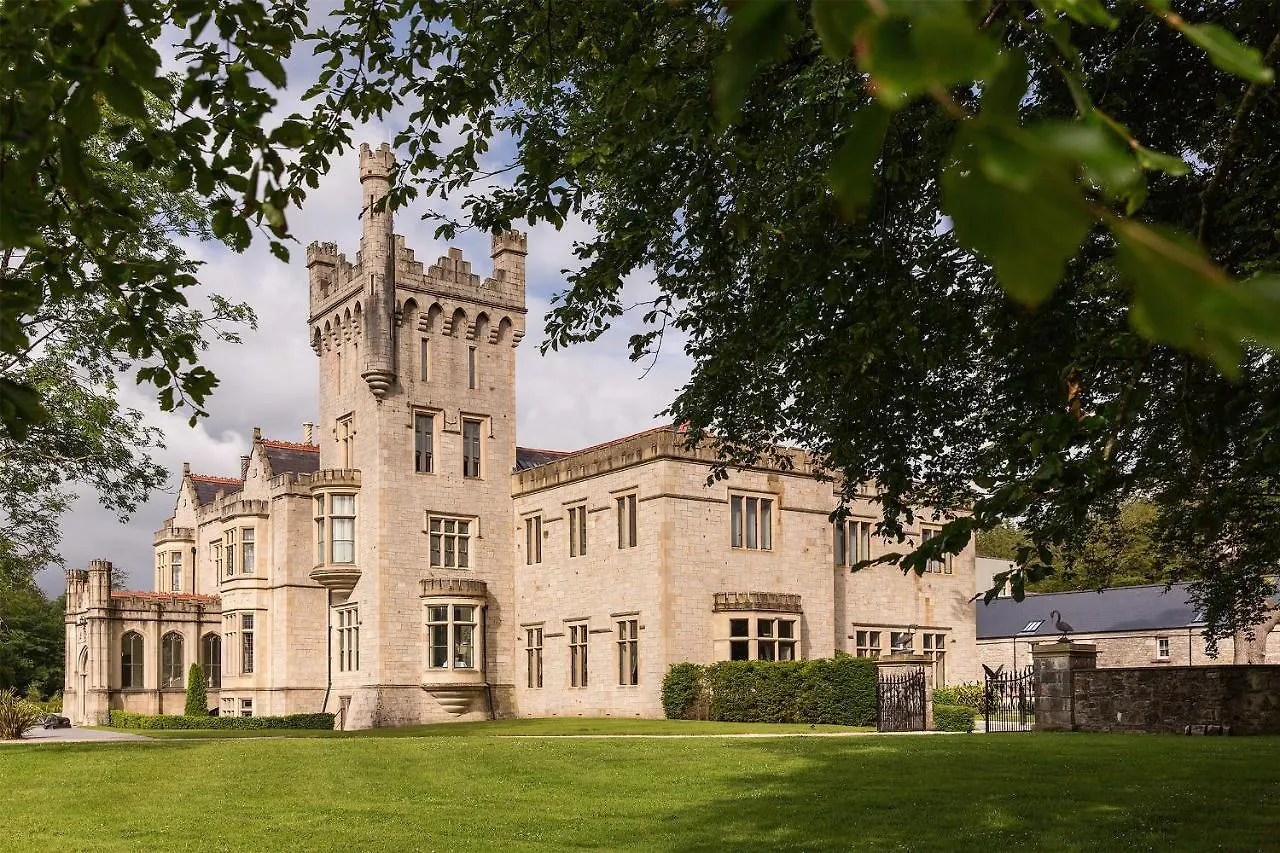
Ireland's resort hotels span an extraordinary range - from medieval castles set on hundreds of acres of woodland to spa-driven countryside retreats tucked beneath mountain ranges. Whether you're after a golf break in Tipperary, a castle stay in Kildare, or a lakeside escape in Donegal, the country's resort properties offer far more than just a room for the night. This guide covers 9 standout resort hotels across Ireland, breaking down what each one actually delivers so you can book with confidence.
What It's Like Staying in Ireland
Ireland's landscapes shift dramatically within short distances - from the rugged sea cliffs of the Wild Atlantic Way to the lush inland lakes of Killarney and the rolling farmland of the midlands. Resort hotels here are rarely urban; most are positioned in countryside or coastal settings, which means a car is essential for most stays outside of Galway or Killarney town. Visitor numbers peak hard between June and August, particularly along Kerry and Donegal's coastlines, where occupancy rates at resort properties can exceed around 95% on summer weekends.
Dublin draws the bulk of international arrivals, but the most rewarding resort experiences are concentrated in the west and south - areas where the landscape itself becomes part of the stay. Travellers expecting walkable city access alongside resort facilities will find fewer options here than in, say, the south of France. But those willing to embrace the drive-to-destination model will find some of Europe's most atmospheric country estates.
Pros:
- Exceptional castle and estate properties with genuine historical character
- Resort hotels in Ireland frequently include golf, spa, and outdoor activities on-site
- Value compared to equivalent-standard resorts in the UK or continental Europe remains competitive
Cons:
- Most resort locations require a rental car - public transport links are weak
- Irish weather is unpredictable even in summer, which affects outdoor activity planning
- Peak season (July-August) drives prices sharply upward with limited last-minute availability
Why Choose a Resort Hotel in Ireland
Resort hotels in Ireland are defined less by pool-and-beach infrastructure and more by immersive estate experiences - think 18-hole championship golf courses, on-site spas, fishing lakes, and falconry. Room sizes at Irish resort hotels are typically generous, with castle properties frequently offering rooms above 30 m2 even at standard tier, and suites in historic wings that are genuinely architecturally distinct. The trade-off is that some resorts sit far from the nearest town, meaning you're largely dependent on in-house dining options - which at the better properties is no hardship, but is worth factoring into your budget.
Compared to standard Irish hotels, resort properties justify their premium through bundled activities and facilities that standalone city hotels simply don't offer. A mid-range resort in Tipperary or Donegal will typically cost around 40% more per night than a comparable 4-star town hotel, but that gap narrows considerably when you factor in included parking, leisure centre access, and golf discounts.
Pros:
- On-site leisure facilities (golf, spa, pool) reduce the need for external spending
- Historic castle and estate resorts offer a sense of place impossible to replicate in modern hotels
- Family rooms and interconnecting options are more consistently available in Irish resorts than in boutique town hotels
Cons:
- In-house dining is often the only realistic option at remote resorts - quality and price vary significantly
- Some properties charge separately for spa access, treatments, and golf, which inflates the true cost
- Wi-Fi reliability can be inconsistent in older castle buildings with thick stone walls
Practical Booking & Area Strategy
Location choice in Ireland matters more for resort stays than almost anywhere else in Europe, given the driving distances involved. Killarney is the most strategically positioned resort base - it sits at the gateway to the Ring of Kerry, the Gap of Dunloe, and Killarney National Park's 25,000 acres, meaning you can combine a luxury resort stay with serious day-trip range. Donegal, by contrast, offers wilder, less-visited landscapes around Lough Eske and the Blue Stack Mountains, but requires committing to the northwest - it's a 3-hour drive from Dublin. County Kildare resorts benefit from proximity to Dublin Airport (around 84 km to the south), making them viable for short breaks without long transfer times. For golfers, the corridor between Tipperary and Limerick - anchored by the Galtee Mountains - delivers championship courses with far less competition for tee times than Kerry. The Aquadome in Tralee, the Donegal Waterbus for seal spotting, and the Aran Islands ferry from Galway are all within reach of the hotels in this guide.
Book at least 8 weeks ahead for summer weekends at castle resorts - properties like Kilkea Castle and Lough Eske regularly sell out their most characterful rooms first. Shoulder season (April-May and September-October) delivers notably lower rates with the same facility access and significantly thinner crowds on the golf courses and spa schedules.
Resort Hotels in Kerry & the Southwest
Kerry and Cork's southwest corridor concentrates some of Ireland's most scenically embedded resort properties, from the mountains above Killarney to the market town of Macroom sitting between Cork City and West Cork's coastline.
-
1. The Killarney Park
Show on map


 Check-infrom 15:00 until 23:59Check-outfrom 07:00 until 12:00
Just a few rooms left at the best rate!
from€ 211
-
2. Castle Hotel Macroom
Show on map


 Check-infrom 15:00 until 21:00Check-outuntil 12:00
Just a few rooms left at the best rate!
from€ 93
Resort Hotels in Donegal & the Northwest
Donegal's resort landscape is defined by lough-side castles and forest estates - properties where the surrounding land is as much the attraction as the building itself. Both hotels below sit within or adjacent to Donegal Town, giving guests access to the town's facilities alongside significant on-site resort infrastructure.
-
3. Lough Eske Castle
Show on map


 Check-infrom 15:00 until 23:59Check-outfrom 07:00 until 12:00
Just a few rooms left at the best rate!
from€ 236
-
4. Mill Park Hotel
Show on map


 Check-infrom 16:00 until 23:59Check-outuntil 12:00
Hurry – almost gone at this price!
from€ 160
Resort Hotels in Leinster, Munster & the West
From a historic castle estate in Kildare to a golf resort in Tipperary, a city-centre hotel in Galway, and a character-filled property in Tralee, this group covers Ireland's most varied resort geography - useful for travellers building itineraries across multiple regions.
-
5. Kilkea Castle
Show on map


 Check-infrom 15:00 until 23:00Check-outfrom 08:00 until 12:00
Hurry – almost gone at this price!
from€ 246
-
6. Great National Ballykisteen Golf Hotel
Show on map


 Check-infrom 15:00 until 23:59Check-outuntil 12:00
Hurry – almost gone at this price!
from€ 76
-
7. The Victoria Hotel
Show on map


 Check-infrom 15:00 until 23:00Check-outuntil 12:00
Rooms filling fast – secure the best rate!
from€ 124
-
8. Grand Hotel Tralee
Show on map


 Check-infrom 15:00 until 23:00Check-outfrom 07:00 until 11:00
Rooms filling fast – secure the best rate!
from€ 75
Smart Travel & Timing Advice
Ireland's resort season peaks sharply in July and August, when the Wild Atlantic Way, Kerry's Ring, and Donegal's coastline attract the bulk of domestic and international visitors. Book castle estate resorts at least 8 weeks ahead for summer - the most distinctive room categories (castle bedrooms, suites with fireplaces) sell out first and rarely appear in last-minute inventory. Shoulder season from late April through May, and again in September and October, is when the value case for Irish resorts is strongest: rates drop noticeably, golf courses are less congested, spa bookings are easier to secure, and the landscapes - particularly in Donegal and Kerry - remain fully accessible without the August crowds.
A minimum stay of 2 nights is advisable at estate properties like Kilkea Castle or Lough Eske - the activity programming, spa, and dining options justify it, and single-night stays rarely allow enough time to use what's included. For Galway and Tralee, a single night works as part of a wider driving itinerary. Shannon Airport is the most practical arrival point for anyone splitting time between Clare, Tipperary, Limerick, and Kerry - it cuts around 2 hours off transfer times compared to routing through Dublin.