Ireland's coastline stretches over 2,500 kilometres, and choosing where to base yourself along it changes everything about your trip - from the landscapes you'll wake up to, to how far you'll need to drive to reach the Atlantic. This guide cuts through the options and puts the most useful beach-adjacent hotels in Ireland side by side, so you can book with clarity instead of guesswork.
What It's Like Staying in Ireland
Ireland's west-facing Atlantic coastline is one of Europe's most dramatic - from the limestone terraces of the Burren to the sea cliffs of Donegal and the sandy coves of Kerry. The Wild Atlantic Way alone covers over 2,500 km, meaning your choice of base town has a real impact on what you experience. Crowds concentrate heavily in July and August, especially in Killarney, Galway, and the Ring of Kerry, while shoulder months like May and September offer noticeably fewer tourists with still-reasonable weather.
Why Choose Beach Hotels in Ireland
Beach hotels in Ireland tend to sit close to working coastal towns rather than isolated resort strips, which means you're rarely far from a pub, a fish-and-chip shop, or a traditional music session. Rates at 4-star coastal properties average around €130 per night in peak summer, but drop by around 30% in October and March. Room sizes are generally generous by European standards, though sea-view upgrades can carry a significant premium - often €40-€60 per night extra - so it's worth checking whether the base rate already includes a coastal outlook.
Pros:
- Direct access to wild, uncrowded Atlantic beaches not found in southern Europe
- Coastal hotels frequently serve locally sourced seafood from nearby ports like Killybegs
- Most beach-adjacent hotels include free parking - essential for driving the Wild Atlantic Way
Cons:
- Irish coastal weather is unpredictable even in summer - rain gear is non-negotiable
- Sea-view rooms book out weeks in advance during July and August
- Some coastal towns have limited evening dining options beyond the hotel itself
Practical Booking & Area Strategy
Galway is the strongest logistical base for first-time visitors - it sits within 90 minutes of Connemara, the Cliffs of Moher, and the Aran Islands, and has the best public transport connections on the west coast. Donegal, further north, rewards travellers with a car: the beaches at Murvagh and Rossnowlagh are broad and consistently less crowded than Kerry equivalents, and the mountain backdrops are unmatched. Kerry's Dingle Peninsula and the Ring of Kerry remain bucket-list drives, though the roads narrow sharply and coach traffic peaks between 10am and 3pm in summer - starting drives early makes a significant difference. For a mix of coastal access and city proximity, the Cork corridor between Macroom and Kinsale puts you within reach of West Cork's celebrated food scene and the beaches of Inchydoney without sacrificing urban amenities.
The Donegal and Sligo coastlines consistently see fewer visitors than Kerry despite comparable scenery, making them the smart choice for travellers who prioritise space and quiet over famous landmarks. Book any coastal hotel in Kerry or Galway at least 6 weeks ahead for July or August stays - last-minute availability in peak season is rare and price premiums are steep.
Hotels in Donegal & the Northwest Coast
Donegal offers some of Ireland's most scenically extreme coastal settings - castle grounds, forested lake shores, and direct access to the surf beaches of the northwest. Both properties below sit within easy reach of Donegal Bay and the wider Wild Atlantic Way route through County Donegal.
-
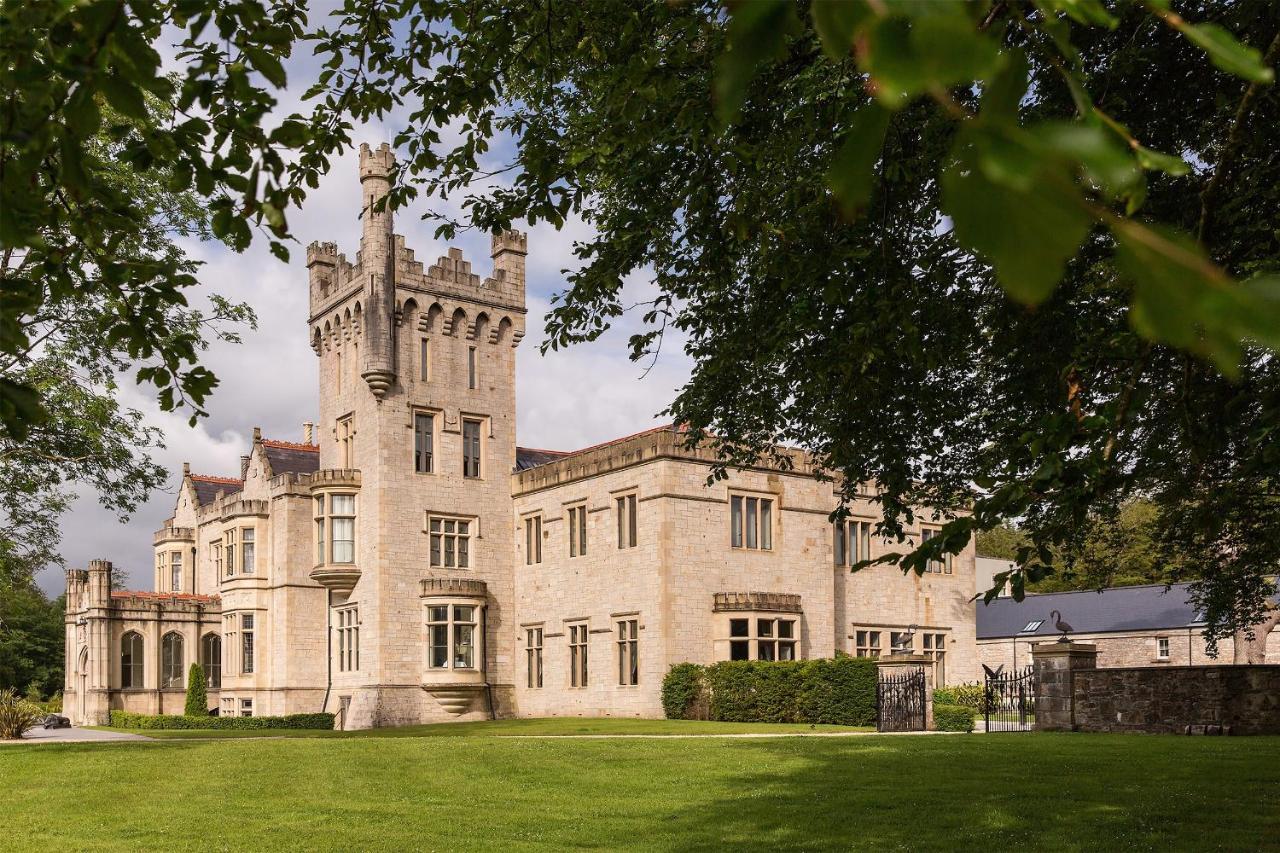
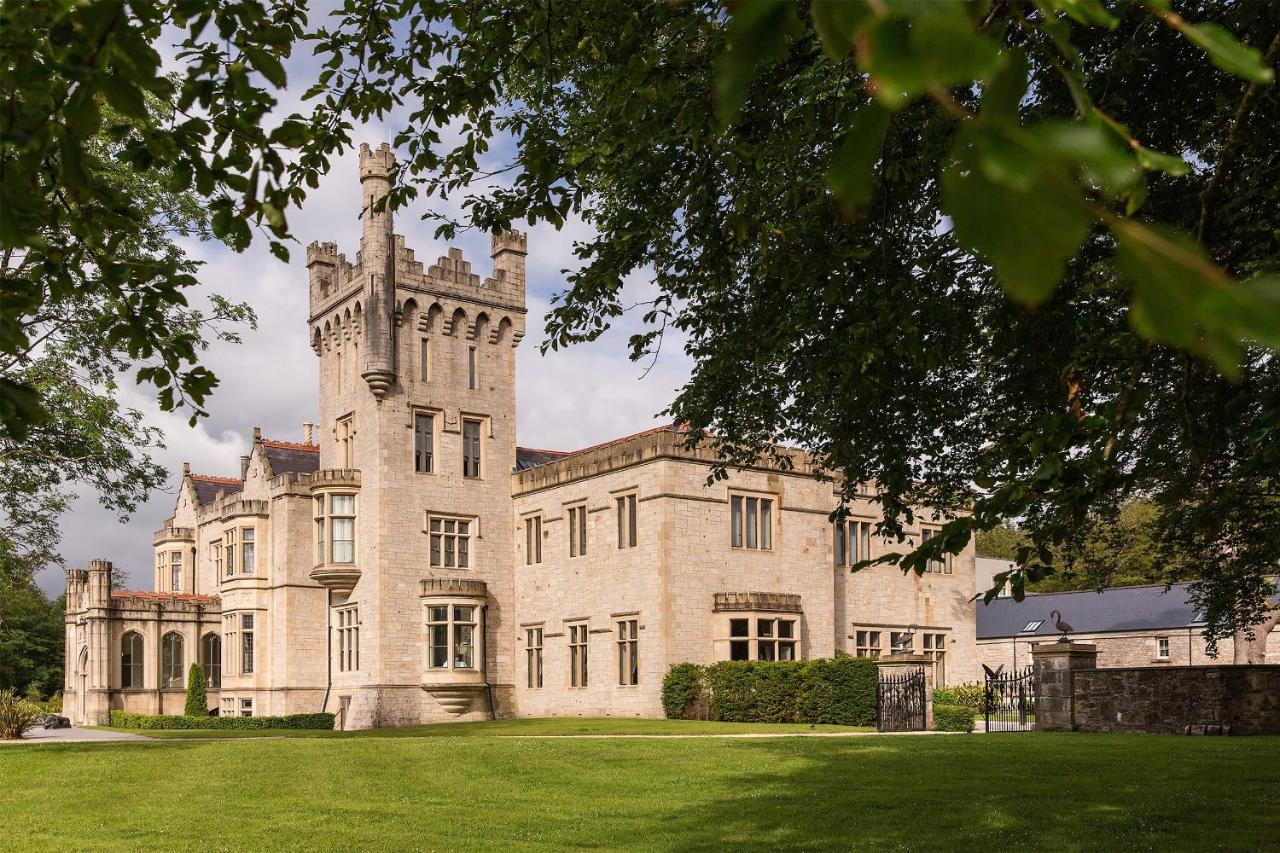
1. Lough Eske Castle
Show on map


 Check-infrom 15:00 until 23:59Check-outfrom 07:00 until 12:00
Just a few rooms left at the best rate!
from€ 236
-
2. Mill Park Hotel
Show on map


 Check-infrom 16:00 until 23:59Check-outuntil 12:00
Just a few rooms left at the best rate!
from€ 160
Hotels in Kerry, Galway & Cork
Kerry, Galway, and Cork form the most-visited coastal corridor in Ireland, offering a mix of city convenience, ring road drives, and southwest beach access. The three properties below cover different price points and town settings across this region.
-
3. Grand Hotel Tralee
Show on map


 Check-infrom 15:00 until 23:00Check-outfrom 07:00 until 11:00
Hurry – almost gone at this price!
from€ 75
-
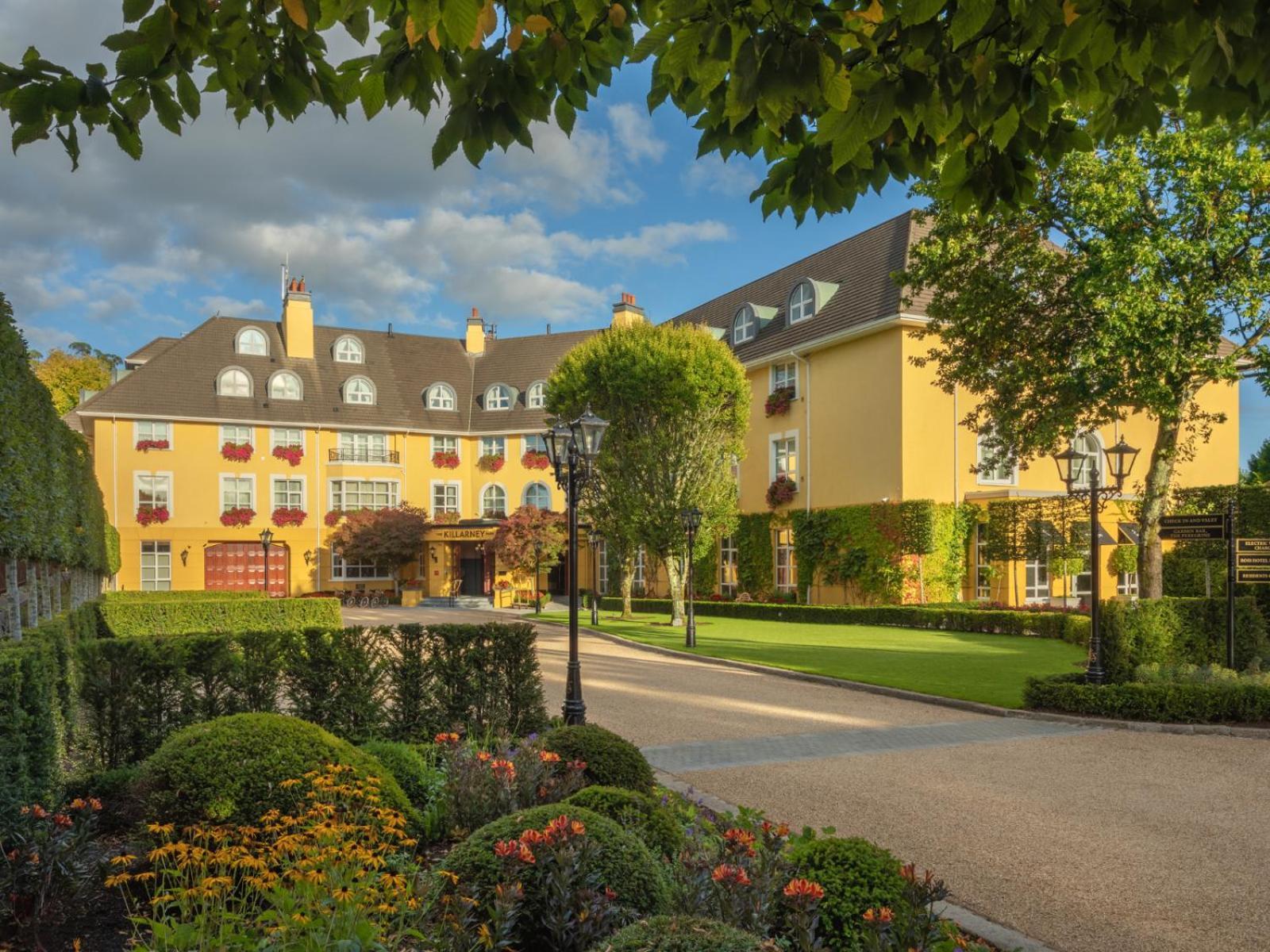
4. The Victoria Hotel
Show on map


 Check-infrom 15:00 until 23:00Check-outuntil 12:00
Hurry – almost gone at this price!
from€ 124
-
5. Castle Hotel Macroom
Show on map


 Check-infrom 15:00 until 21:00Check-outuntil 12:00
Rooms filling fast – secure the best rate!
from€ 93
Smart Travel & Timing Advice for Ireland's Coast
June and September are the strongest months to book coastal hotels in Ireland: weather is more settled than April or October, crowds are thinner than July and August, and rates at 4-star properties can be around 25% lower than peak summer. July and August see the highest demand along the Wild Atlantic Way - particularly in Kerry and Galway - and availability at well-reviewed hotels disappears fast. Booking at least 8 weeks ahead for summer stays is not excessive; popular castle and spa properties like Lough Eske Castle often fill their sea-view and garden-view rooms first.
A minimum of 3 nights in any single coastal base makes logistical sense - the drives between Kerry, Clare, Galway, and Donegal are longer than maps suggest, and one-night stays rarely allow time to explore beyond the hotel's immediate town. The northwest coast (Donegal, Sligo) tends to be 15-20% cheaper than equivalent-rated properties in Kerry or Galway while offering comparable scenery with significantly less coach-tour traffic. Last-minute bookings in peak season almost always mean accepting a non-view room or a less central property - plan ahead if coastal outlook matters to you.