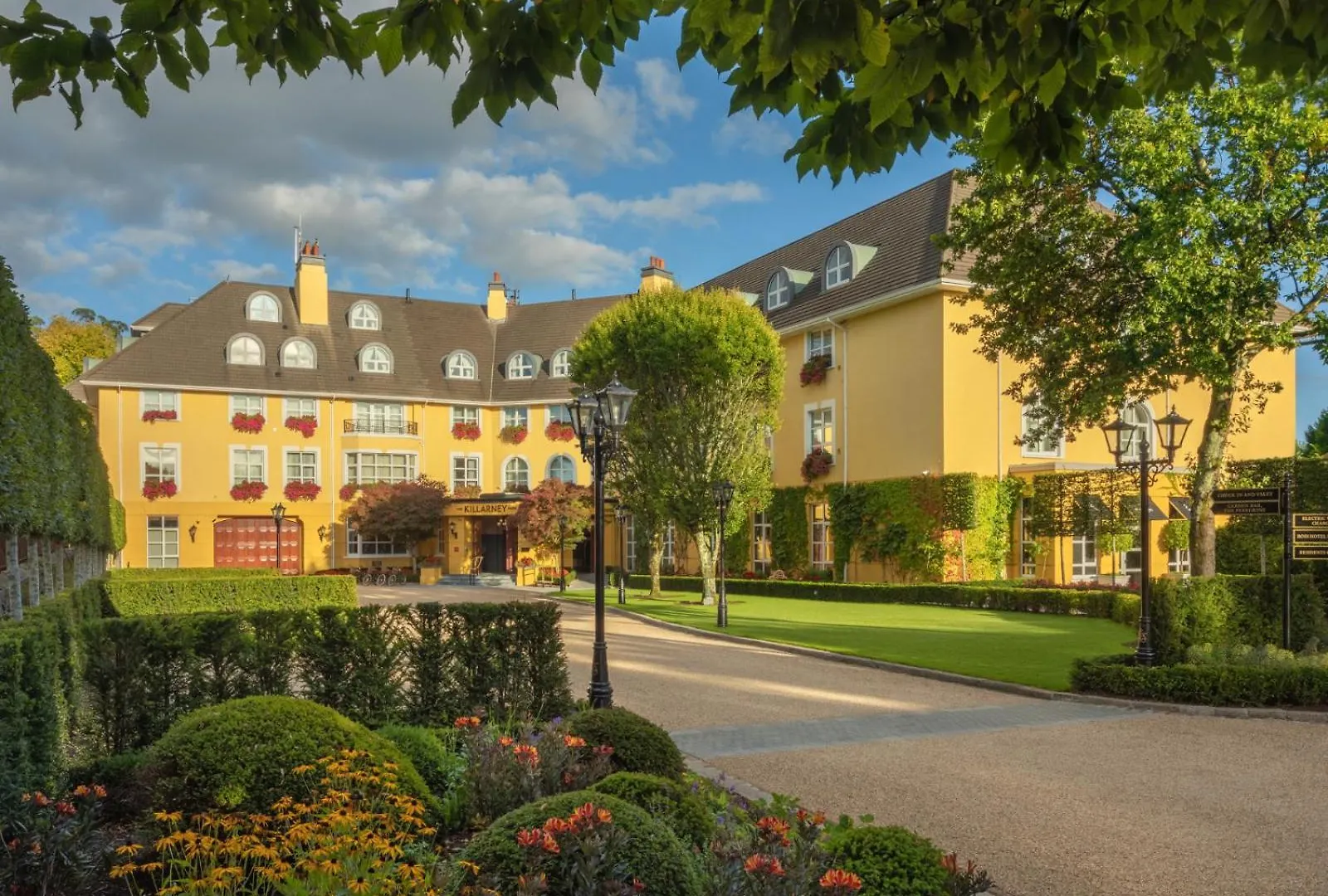
Ireland's hotel landscape stretches far beyond standard accommodation - from restored 16th-century castles set in ancient forests to family-run five-star properties on the edge of Killarney National Park. This guide covers 6 exceptional design hotels in Ireland, each selected for its architectural character, distinctive interiors, and tangible sense of place. Whether you're planning a coastal escape in Kerry, a countryside retreat in Tipperary, or a castle stay in Donegal, this breakdown will help you choose with confidence.
What It's Like Staying in Ireland
Ireland rewards slow travel. The country packs dramatic coastal cliffs, glacial lakes, and medieval ruins into a relatively compact geography - the Wild Atlantic Way alone stretches over 2,500 kilometres along the western seaboard. Outside Dublin, crowd density drops sharply, and many of the country's most architecturally impressive hotels sit in genuinely rural settings, often within walking distance of protected landscapes or heritage sites. Rainfall is frequent even in summer, which makes the quality of indoor spaces - fireplaces, restaurants, spas - a genuinely practical consideration when choosing where to stay.
The shoulder seasons of April-May and September-October offer the best balance of manageable visitor numbers and reasonable rates. County Kerry and Donegal attract the highest concentration of international visitors during July and August, which can push nightly rates up significantly at the most distinctive properties.
Pros:
- Exceptionally high density of heritage architecture - castles, manor houses, and walled estates - available as hotel stays across multiple counties
- Most design-led hotels outside Dublin sit within minutes of major natural landmarks, making them functional bases for day trips rather than isolated retreats
- Irish hospitality culture - live music, whiskey tastings, and locally sourced food - is embedded in the hotel experience at most properties, not added as an afterthought
Cons:
- Rural locations mean car hire is practically non-negotiable at most castle and countryside properties - public transport connections are limited outside major towns
- Weather unpredictability is real: even in summer, outdoor activities can be curtailed by rain, making spa and indoor amenity quality a more critical booking criterion than it would be elsewhere
- Peak-season pricing at sought-after properties in Kerry and Donegal can rival London hotel rates, with limited budget alternatives in those specific micro-locations
Why Choose Exceptional Design Hotels in Ireland
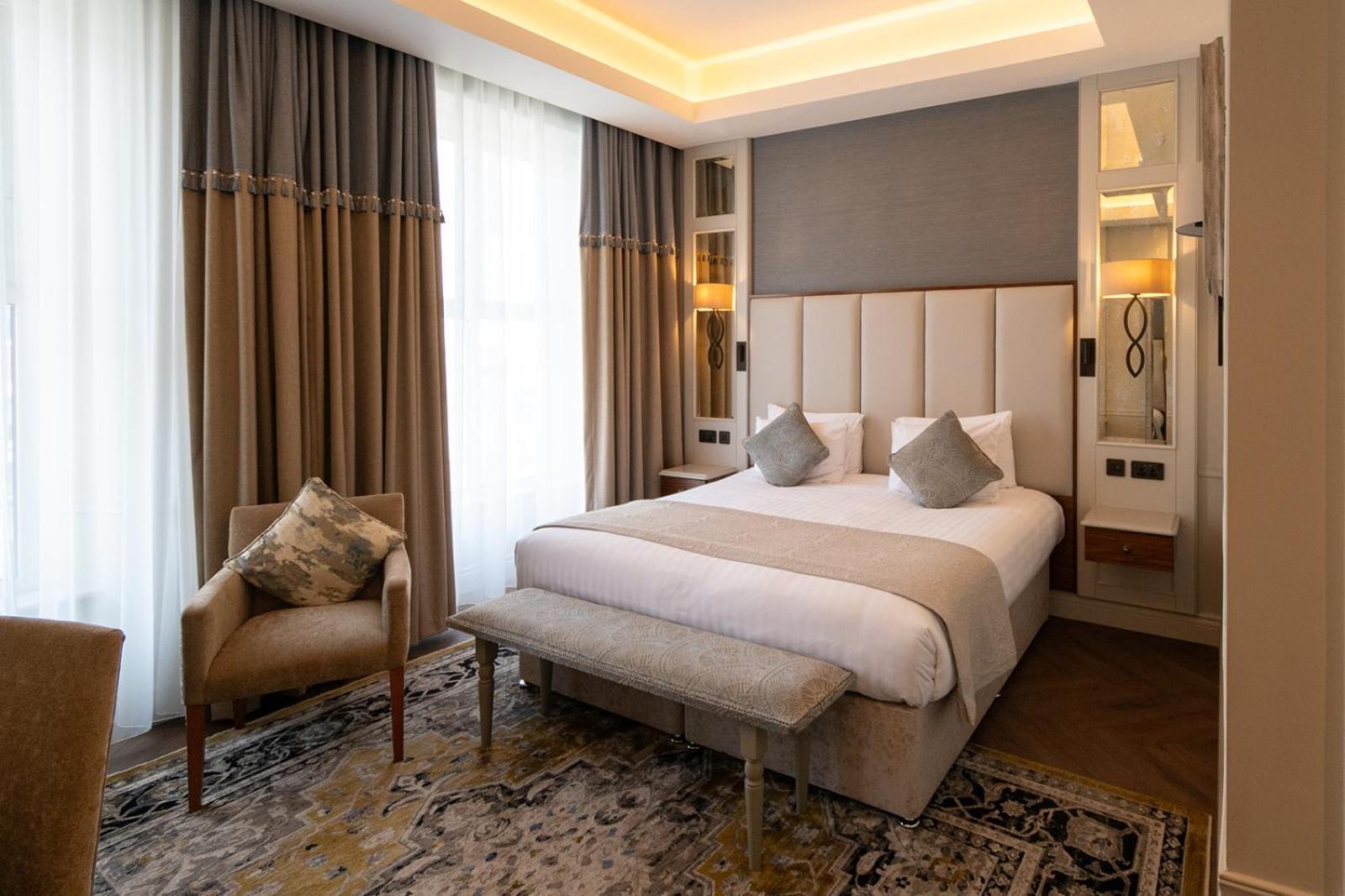
In Ireland, the term "exceptional design" carries specific meaning - it typically refers to properties where the physical structure itself is the selling point, whether a restored Plantation-era castle, a Victorian railway hotel, or a purpose-built contemporary retreat anchored to the landscape. Unlike generic four-star chain hotels found in Irish city centres, these properties invest heavily in architectural coherence: original stonework, antique furnishings, open fires, and gardens that form part of the guest experience. Room sizes at castle hotels in Ireland tend to run significantly larger than urban equivalents, often exceeding 35-40 square metres even in standard categories, because the original buildings were not designed for high-density accommodation.
The trade-off is access. Most of Ireland's most characterful hotels are not walkable to train stations or town centres - they are deliberately positioned within private estates, on lakeshore frontage, or in countryside settings that require a car. The price premium over a standard three-star hotel in the nearest town is typically around 60-80% per night, but that gap narrows considerably when you factor in the on-site dining, spa, and activity inclusions that many of these properties bundle into the rate.
Pros:
- Architectural authenticity that cannot be replicated - many properties incorporate original castle walls, wood-panelled libraries, and ornate ceilings that are protected heritage features
- On-site amenities (golf courses, spas, fishing lakes, forest walks) mean a full itinerary can be built around a single property without relying on external logistics
- Locally sourced, fine-dining restaurants at this tier consistently outperform comparable standalone restaurants in nearby towns, often using produce from the estate itself
Cons:
- Car dependency is effectively mandatory - taxis and rideshare services have poor coverage in rural Donegal, Leitrim, and parts of Kerry, making arrival logistics a real planning challenge
- Some castle properties prioritise atmosphere over modern connectivity - mobile signal and even Wi-Fi can be inconsistent in thick-walled historic buildings
- Weekend rates at the most in-demand properties (particularly in Kerry and Donegal) can spike significantly in July and August, often with minimum stay requirements attached
Practical Booking & Area Strategy
Ireland's exceptional design hotels are geographically spread, and where you base yourself depends heavily on what you plan to do. Killarney is the strongest single base for first-time visitors - it sits within the national park, connects to the Ring of Kerry and Gap of Dunloe, and has a functioning train link to Cork and Dublin, which makes it unusually accessible for a rural Irish town. Donegal, by contrast, requires a flight to Donegal Airport or a drive from Dublin of around 3.5 hours, but it delivers a far more secluded and less tourist-saturated experience - Lough Eske and the Slieve League cliffs are genuinely off the mainstream circuit. For visitors prioritising golf, Tipperary's proximity to Limerick (around 30 minutes by car) and Shannon Airport (around 50 minutes) makes it a logical entry point for transatlantic arrivals. County Leitrim and the Lough Rynn area are among Ireland's least-visited regions despite being within two hours of Dublin, making them a genuine hidden gem for travellers seeking castle stays without the peak-season crowds of Kerry.
Tralee in County Kerry operates as a practical market town rather than a polished tourist hub - it's less glamorised than Killarney but gives direct access to the Dingle Peninsula, the Blasket Islands ferry, and Inch Beach. Booking design hotels in Ireland at least 8 weeks ahead is advisable for summer travel, particularly for castle properties with limited room counts. The most distinctive suites at Lough Eske and The Killarney Park sell out months in advance for July and August weekends.
Design Hotels in Kerry & the Southwest
County Kerry holds two of Ireland's most celebrated design hotels - one in a 5-star family-run property at the heart of Killarney, and another in a Georgian-style town centre hotel in Tralee with deep roots in the local cultural landscape.
-
1. The Killarney Park
Show on map


 Check-infrom 15:00 until 23:59Check-outfrom 07:00 until 12:00
Just a few rooms left at the best rate!
from€ 211
-
2. Grand Hotel Tralee
Show on map


 Check-infrom 15:00 until 23:00Check-outfrom 07:00 until 11:00
Just a few rooms left at the best rate!
from€ 75
Castle & Estate Hotels in Donegal and Leitrim
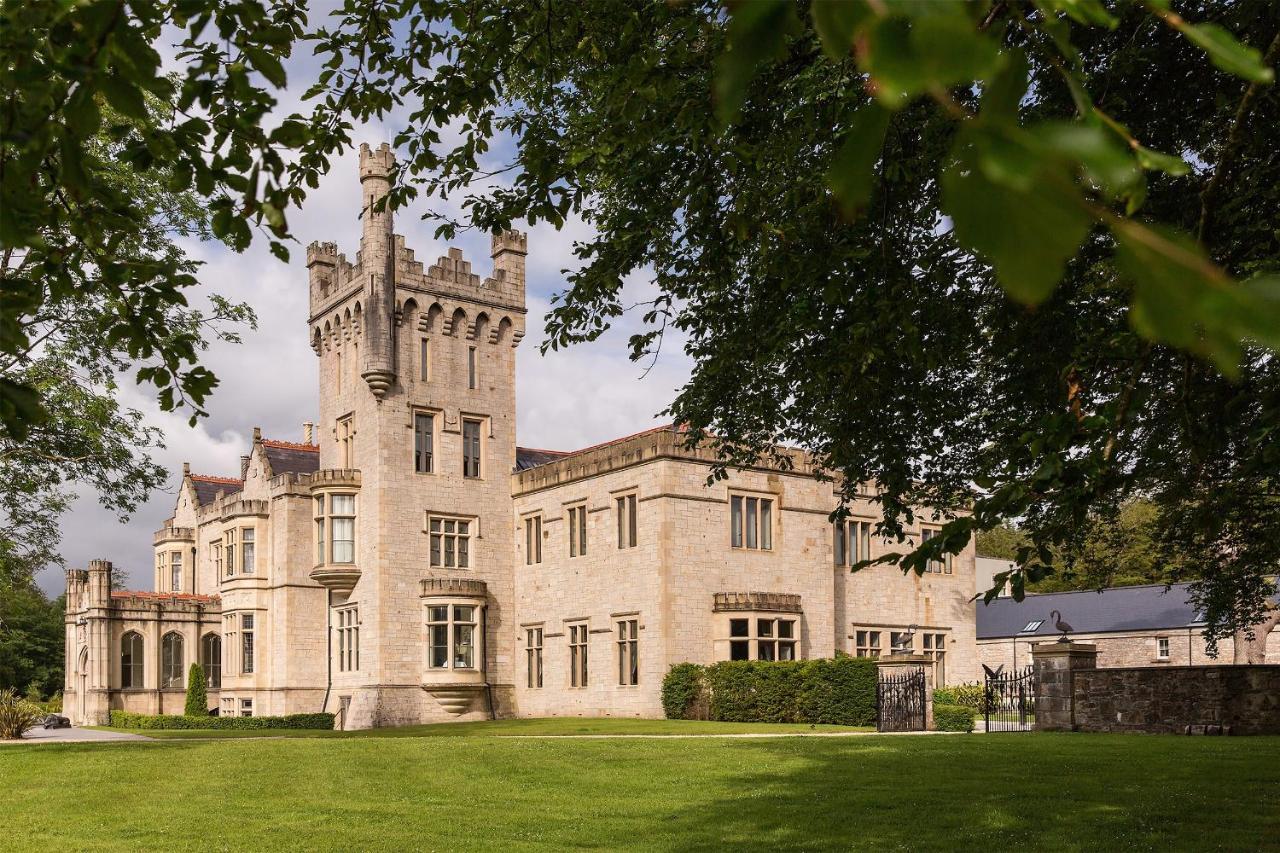
Ireland's northwest and midlands offer two of the country's most architecturally exceptional castle hotels - Lough Eske in Donegal and Lough Rynn in Leitrim - both positioned within private estates of significant scale and both delivering a level of seclusion that Kerry's busiest properties cannot match.
-
3. Lough Eske Castle
Show on map


 Check-infrom 15:00 until 23:59Check-outfrom 07:00 until 12:00
Hurry – almost gone at this price!
from€ 236
-
4. Lough Rynn Castle
Show on map


 Check-infrom 16:00 until 23:59Check-outuntil 12:00
Hurry – almost gone at this price!
from€ 503
Golf & Spa Design Hotels in Donegal and Tipperary
For travellers whose itinerary centres on golf, spa treatments, or countryside leisure, two properties stand out - the Mill Park Hotel in Donegal Town and the Great National Ballykisteen Golf Hotel in Tipperary - both offering 4-star facilities in settings defined by water, mountains, and open landscape.
-
5. Mill Park Hotel
Show on map


 Check-infrom 16:00 until 23:59Check-outuntil 12:00
Rooms filling fast – secure the best rate!
from€ 160
-
6. Great National Ballykisteen Golf Hotel
Show on map


 Check-infrom 15:00 until 23:59Check-outuntil 12:00
Rooms filling fast – secure the best rate!
from€ 76
Smart Travel & Timing Advice for Ireland
The practical window for visiting Ireland's exceptional design hotels without peak-season pricing or crowd pressure runs from late April through early June, and again from mid-September through October. July and August are the busiest months - school holidays across Ireland and the UK, combined with transatlantic tourism, drive occupancy at castle and estate hotels to near-capacity, and some properties enforce minimum two-night stays on weekends during this period. Prices at the most sought-after properties in Kerry and Donegal can increase by around 40% compared to equivalent shoulder-season rates.
A minimum stay of 3 nights is recommended at castle estate properties like Lough Eske and Lough Rynn - the estate grounds, on-site activities, and fine-dining experiences are spread over multiple visits and cannot be meaningfully absorbed in a single overnight. For Killarney-based stays, 3 nights also allows day trips to the Ring of Kerry, Gap of Dunloe, and Dingle Peninsula without a rushed itinerary. Booking at least 10 weeks in advance is the standard advice for summer stays at properties with fewer than 60 rooms - which describes most of the castle hotels in this selection. Last-minute availability does occasionally appear for midweek slots in June and September, particularly at the Tipperary and Leitrim properties, which draw a more domestic Irish market than the internationally profiled Kerry and Donegal options.