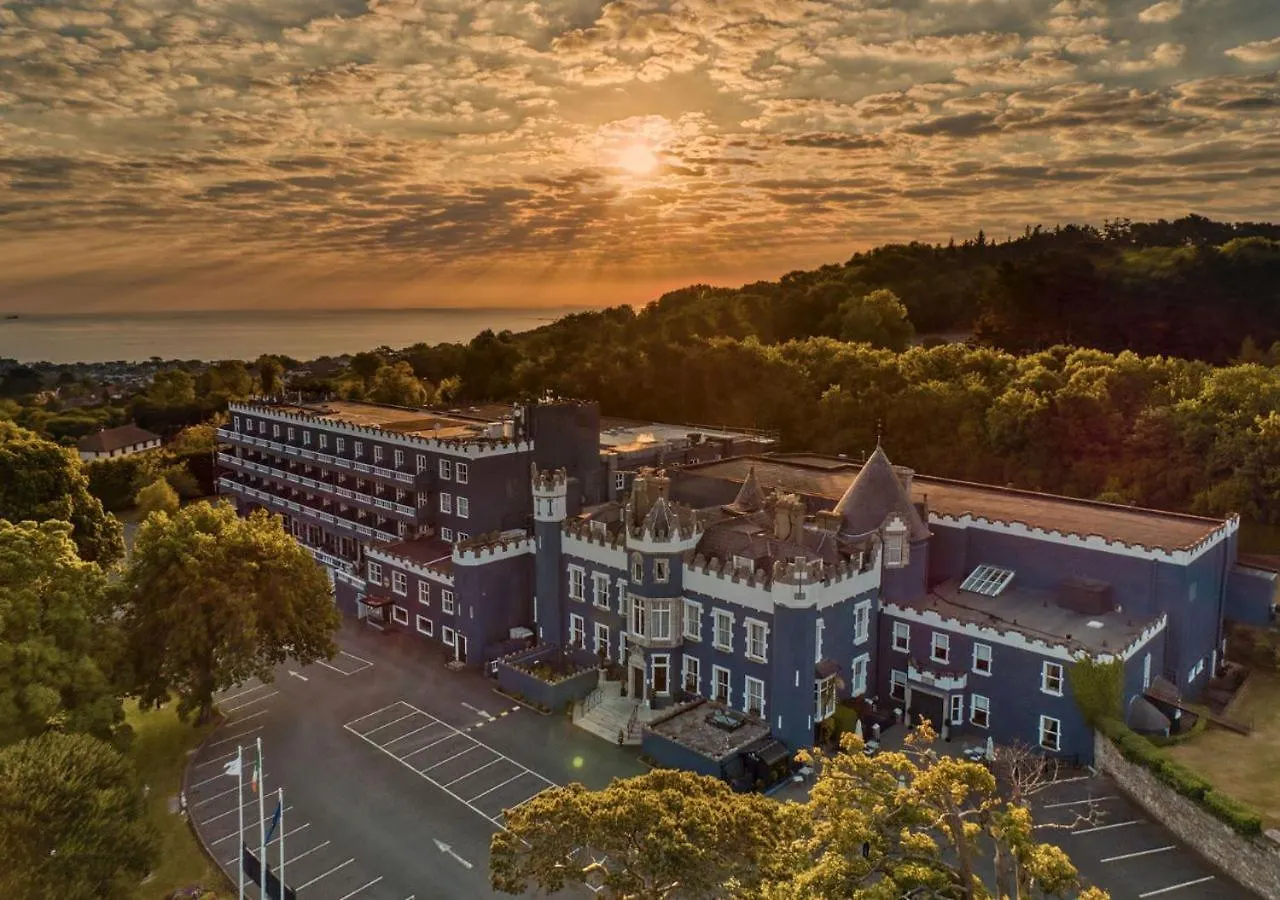
Staying near the Dublin Mountains puts families within reach of some of Ireland's most accessible upland walking terrain, stretching from Ticknock and Kilmashogue to the Wicklow Mountains National Park boundary - all without leaving County Dublin. The two family-friendly hotels featured in this guide sit in the southern suburbs, combining leisure facilities that matter to travelling families with genuine proximity to mountain trailheads and coastal villages like Dalkey and Dún Laoghaire.
What It's Like Staying Near Dublin Mountains
The Dublin Mountains are not a remote wilderness - they are a green belt fringing Dublin's prosperous southern suburbs, meaning hotels in this zone sit in quiet residential and coastal areas rather than a busy city core. Trailheads at Ticknock and Hellfire Club are reachable within a short drive, and the DART coastal rail line connects the area to Dublin city centre in around 30 minutes. The pace here is noticeably slower than central Dublin: no late-night crowds, minimal traffic noise after 9 pm, and a genuine village atmosphere in spots like Dalkey and Killiney that families with young children tend to appreciate.
The trade-off is that you are dependent on a car or public transport for most activities. The bus network in the southern suburbs is reliable but less frequent than central Dublin routes, and walking directly to mountain trails from these hotels is not realistic without driving first.
Pros:
- Quiet, low-traffic residential setting - significantly calmer than hotels in Dublin 2 or Dublin 4
- Dublin Mountains trailheads reachable by car in under 20 minutes from most southern suburb hotels
- DART rail access links the area to the city centre without needing a car
Cons:
- No walkable access to mountain trails - a car is effectively required for hiking days
- Fewer restaurant and entertainment options within walking distance compared to central Dublin
- Dublin Airport sits around 43 km north, making arrival and departure logistics longer than from city-centre hotels
Why Choose Family-Friendly Hotels Near Dublin Mountains
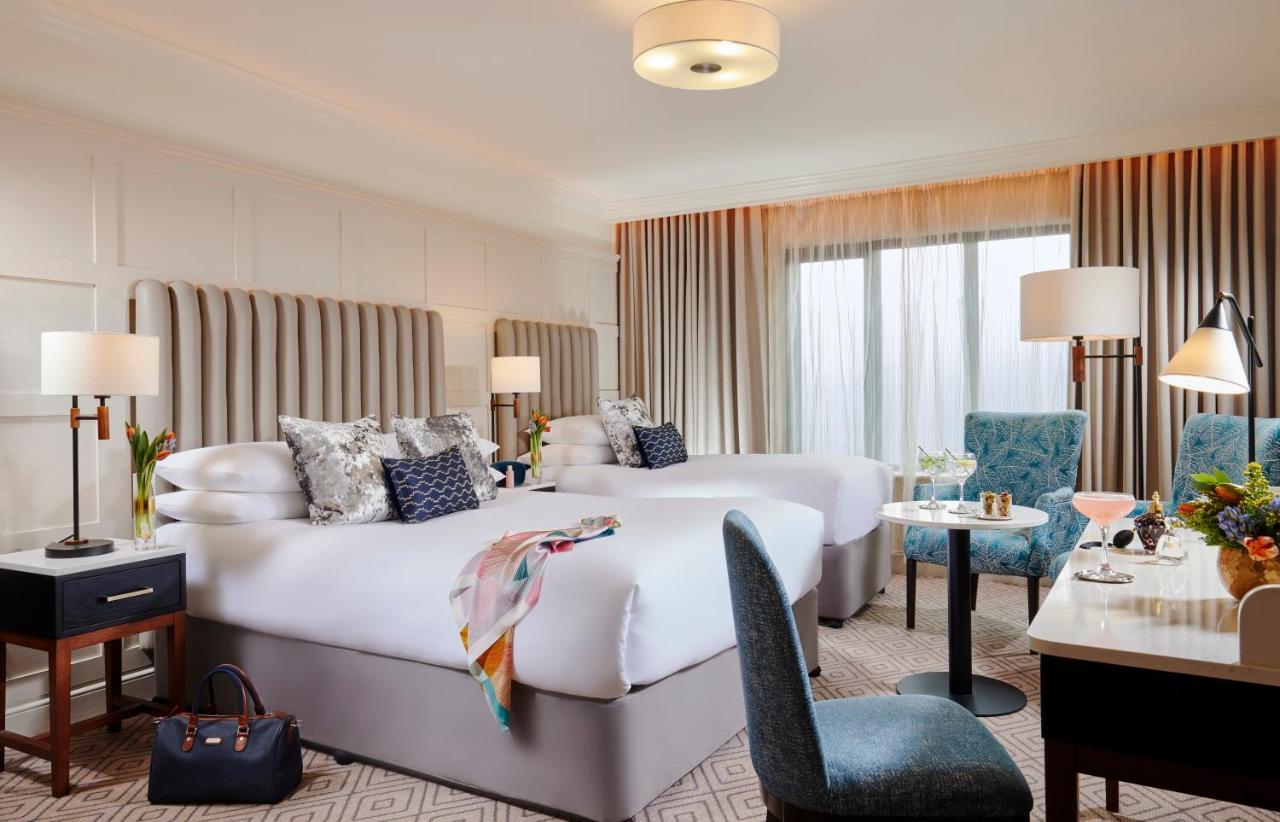
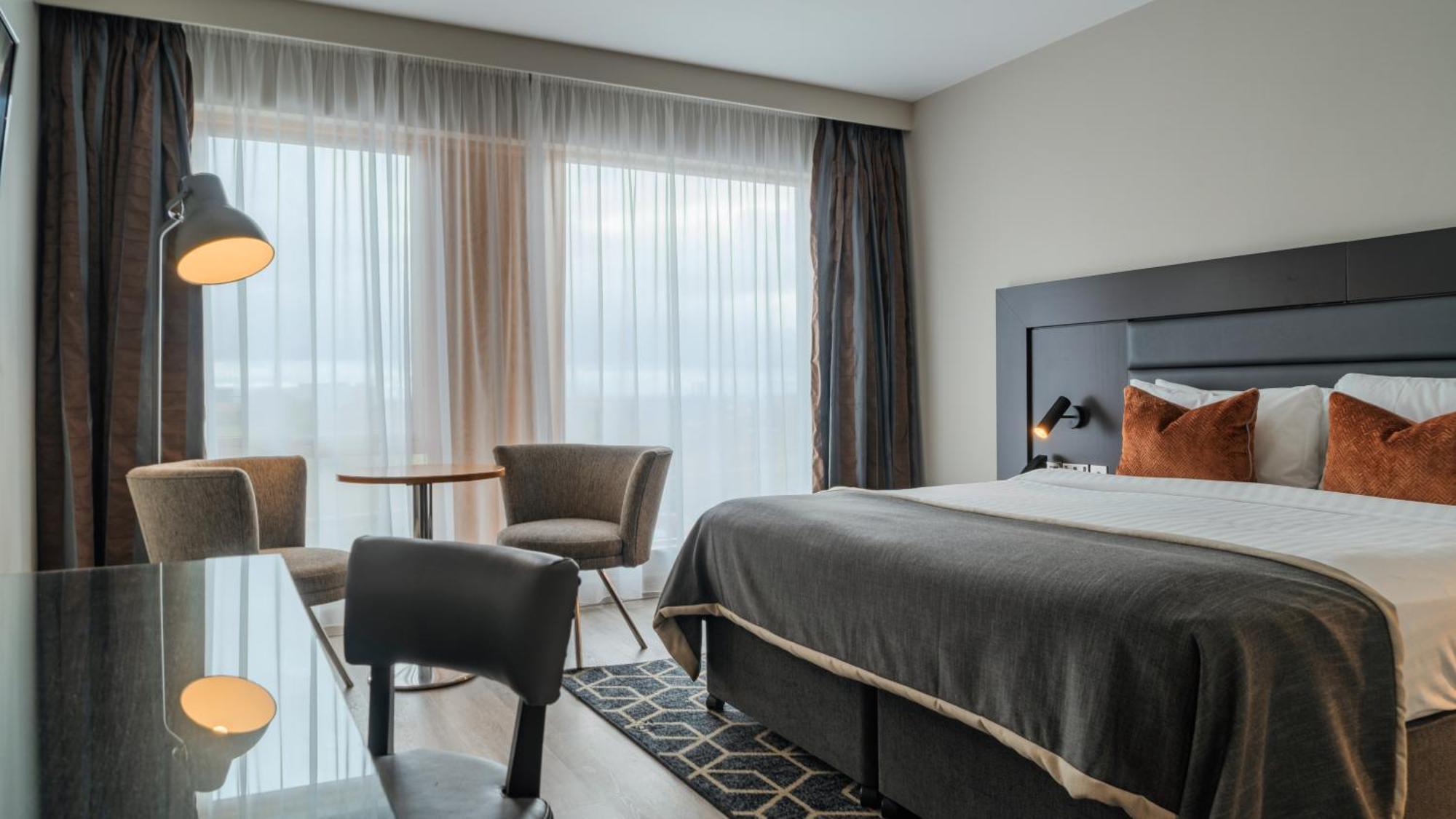
Family-friendly hotels in this southern Dublin corridor tend to be 4-star suburban properties that offer something central Dublin hotels rarely combine: on-site leisure centres with swimming pools, free parking, and room configurations that suit families travelling with children. Rates here typically run lower than comparable-quality hotels in Dublin city centre, and the extra space - both in rooms and on the property grounds - is a practical advantage when travelling with kids. The hotels in this area are built around leisure rather than business travel, which shows in the quality of pool facilities and food offerings.
The main trade-off is distance from Dublin's main cultural and tourist attractions. Families planning multiple city-centre days should factor in daily transport costs or car parking fees, which can add up over a week-long stay.
Pros:
- On-site swimming pools and leisure centres are standard at 4-star properties in this zone - not a premium add-on
- Free parking is almost universal, eliminating a major cost pressure for families driving
- Room rates are typically lower than city-centre equivalents of the same star rating
Cons:
- Distance from Dublin city centre means additional daily transport costs for sightseeing families
- Evening dining options within walking distance are limited to a handful of local restaurants
- Weekend leisure centre demand is high - pool access can be competitive during Saturday mornings
Practical Booking & Area Strategy
Both hotels in this guide are positioned in the Dún Laoghaire-Rathdown area, which is the administrative zone immediately south of Dublin city and the closest suburban base for Dublin Mountains access. Killiney Hill Road and Rochestown Avenue are the key addresses to note - properties on these routes sit within 15 minutes' drive of the Ticknock Forest Recreation Area and the Hellfire Club trailhead on the Two Rock Mountain. The DART station in Killiney is around 10 minutes' walk from Fitzpatrick Castle Hotel, giving families a car-free option for city days. Book around 6 weeks ahead for summer school holiday dates (late June through August), when southern Dublin suburban hotels see their highest occupancy driven by domestic Irish family breaks and visitors using the area as a quieter Dublin base. Nearby attractions beyond the mountains include Killiney Beach, Dalkey Castle and Heritage Centre, the James Joyce Museum in Sandycove, and the Victorian seafront at Dún Laoghaire - all within a 5 km radius of these hotels.
Best Family-Friendly Hotels Near Dublin Mountains
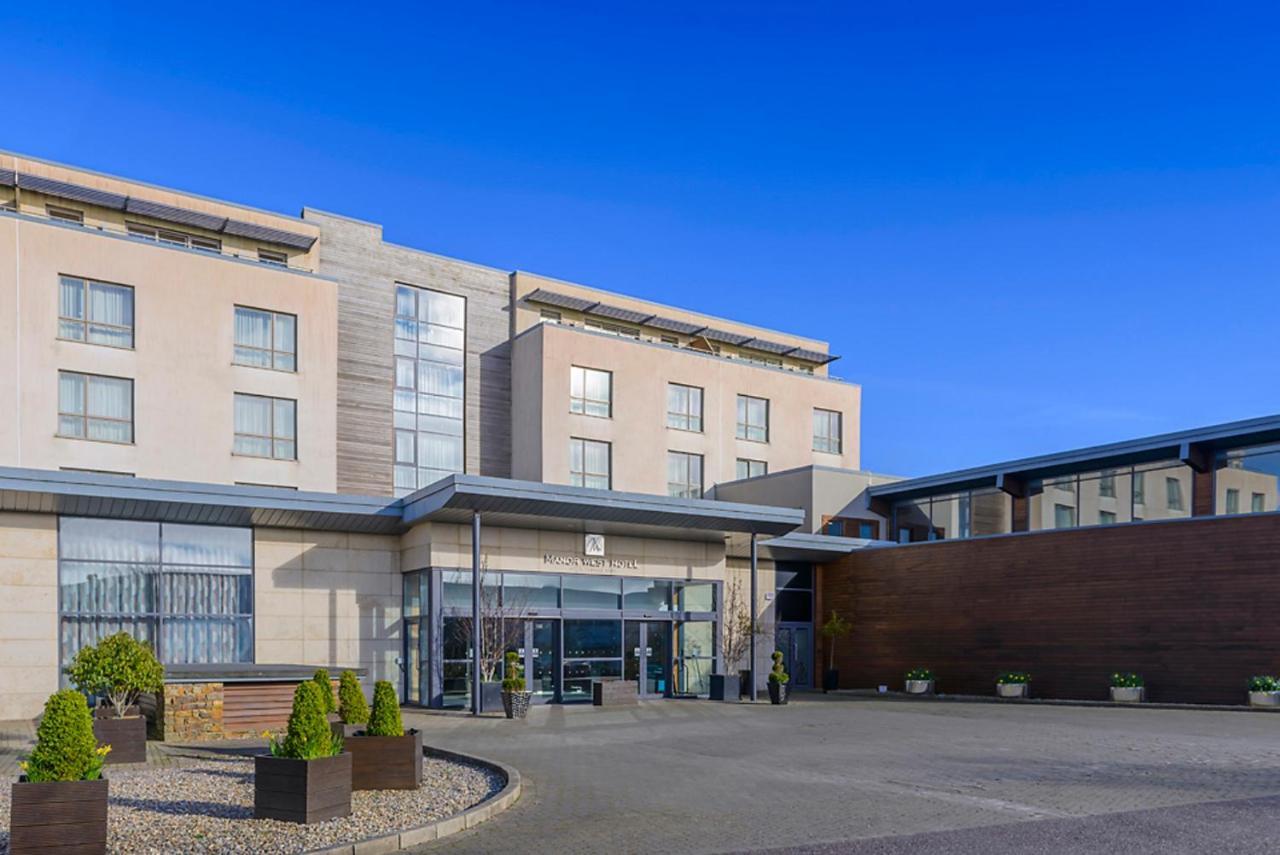
Both hotels below are located in Dublin's southern suburbs and offer the on-site leisure facilities and parking that make them the most practical family-oriented bases for accessing the Dublin Mountains.
-
1. Fitzpatrick Castle Hotel
Show on map


Just a few rooms left at the best rate!
fromUS$ 152
-
2. Rochestown Lodge Hotel
Show on map


Hurry – almost gone at this price!
fromUS$ 90
Smart Timing & Booking Advice for Dublin Mountains Stays
The Dublin Mountains are a year-round destination, but the practical experience of staying nearby shifts significantly by season. May and September offer the strongest combination of mild weather, clear visibility on the higher trails, and lower hotel rates compared to peak July and August. During the summer school holidays, domestic Irish families drive demand in this southern Dublin corridor, and weekend availability at leisure hotels like these can disappear quickly. Weekday stays in June or early September typically cost around 20% less than equivalent Saturday nights during peak summer. Winter stays from November through February are the quietest and cheapest period, but mountain trails can be waterlogged and daylight is limited to around 8 hours - manageable for short hiking days but a real constraint for families with a full activity agenda. Two to three nights is a realistic stay length for families combining mountain walks, Dalkey or Dún Laoghaire coastal time, and a day-trip into Dublin city centre. Last-minute availability is rare on bank holiday weekends in May and June, when Irish domestic travel peaks.