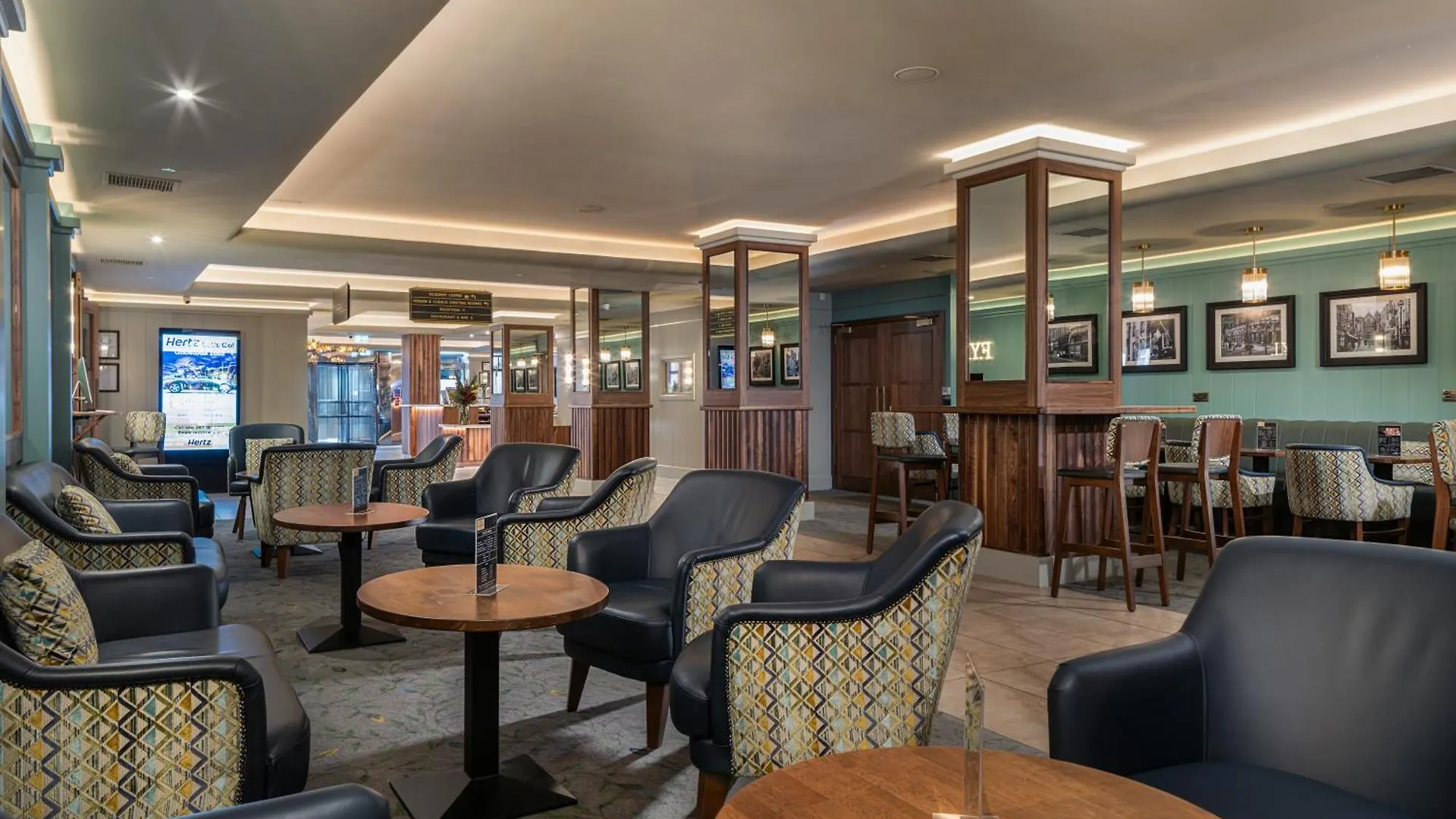
Dublin City Centre concentrates an unusual density of cultural landmarks, live music venues, and historic streets within a genuinely compact walkable core. For travellers weighing boutique options in Dublin City Centre, the choice of micro-location matters more than the city brochures suggest - the difference between a street near Temple Bar and one closer to the Grand Canal corridor changes both the noise level and the nightly rate considerably.
What It's Like Staying in Dublin City Centre
Dublin City Centre is one of Europe's most walkable capital cores - Trinity College, Dublin Castle, the Guinness Storehouse, and the entirety of Grafton Street sit within around 20 minutes on foot from almost any central address. The Luas tram network and Dublin Bus routes thread the centre tightly, so even hotels slightly off the main drag are rarely more than a short ride from Connolly or Heuston stations. What the brochures skip: weekend nights in the Temple Bar and O'Connell Street corridors run loud well past midnight, and foot traffic on key streets peaks hard in July and August, when accommodation prices climb steeply and availability tightens weeks in advance.
Pros:
- * Walking access to Trinity College, Dublin Castle, St. Stephen's Green, and the GPO without needing transport
- * Luas Green and Red Lines connect directly from central stops to Dublin Airport, Heuston Station, and south Dublin suburbs
- * A high concentration of restaurants, traditional pubs, and late-night venues within a short walk of most central hotels
Cons:
- * Rooms facing busy streets near Temple Bar or O'Connell Street experience significant night-time noise, especially Thursday through Sunday
- * Parking in the city centre is expensive and limited - drivers pay a premium for on-site hotel garages
- * Summer crowds on Grafton Street and Dame Street make even short walks slower and more congested than off-peak visits
Why Choose Boutique Hotels in Dublin City Centre
Boutique hotels in Dublin City Centre tend to offer a more characterful, design-conscious stay than the large chain properties that dominate key intersections - but the trade-offs are real. Room sizes in boutique properties here skew compact, particularly in converted Georgian or Victorian buildings where structural constraints limit floor plans. Rates typically sit around 15% above equivalent chain hotels in the same zone, but the difference in lobby atmosphere, locally sourced breakfast quality, and staff attentiveness is consistently noted by repeat visitors. The boutique tier in Dublin City Centre occupies a specific niche: properties close enough to Temple Bar and Grafton Street to be genuinely central, yet positioned to deliver a less anonymous experience than the large conference-style hotels near the Convention Centre or Ballsbridge.
Pros:
- * More distinct room design and character than chain properties - often reflecting Dublin's Georgian architecture or contemporary Irish aesthetic
- * Smaller scale means more attentive front desk service, useful for local restaurant tips, tour bookings, and late check-in flexibility
- * On-site food and drink options in boutique Dublin hotels frequently use Irish produce and offer a better breakfast experience than budget chains
Cons:
- * Room sizes are often smaller than comparable chain hotels, with limited wardrobe and storage space in older building conversions
- * Boutique properties in central Dublin rarely include a pool or full wellness facility - travellers prioritising spa access will find the offer limited
- * Nightly rates in peak season for central boutique hotels can reach well above €200, making them a harder sell for cost-focused bookings
Practical Booking & Area Strategy
For boutique hotels in Dublin City Centre, street-level positioning shapes the entire experience. Properties on or adjacent to O'Connell Street deliver the highest connectivity - Connolly Station is under 10 minutes on foot, and the Luas Red Line runs along Abbey Street - but weekend noise is a genuine factor. Hotels near Charlemont on the Grand Canal offer a quieter base with direct Luas Green Line access into St. Stephen's Green in under 5 minutes. The Temple Bar and Dame Street corridor gives the closest walking proximity to Dublin Castle, Christ Church Cathedral, and the Guinness Storehouse (around 15 minutes on foot), while the IFSC and Spencer Dock fringe puts the 3Arena, Bord Gáis Energy Theatre, and the Convention Centre Dublin within easy reach. Book at least 8 weeks ahead for June through August visits - city-centre boutique hotels sell out faster than large chains during the summer festival season, St. Patrick's Day (17 March), and major rugby weekends at the Aviva Stadium. January through February offers the lowest rates and the thinnest crowds, though daylight hours are short and weather is unpredictable. A stay of 3 nights is the realistic minimum to cover Dublin's main landmarks without feeling rushed.
Best Value Stays
These two hotels deliver solid central positioning and practical room features at rates that sit below the premium tier, with strong transport links and well-regarded breakfast options.
-
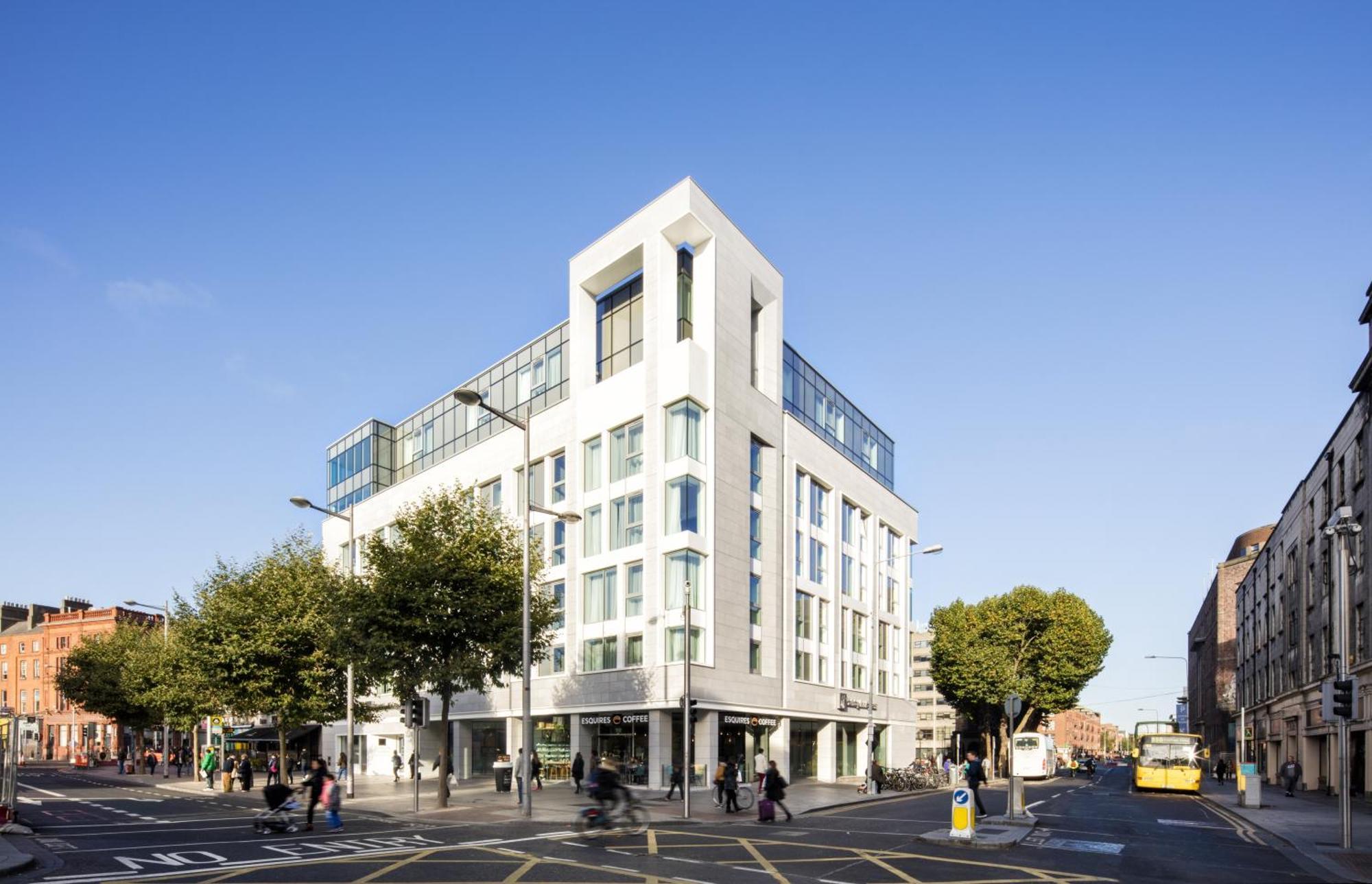
1. Academy Plaza Hotel
Show on map


 Check-infrom 16:00 until 23:59Check-outuntil 11:00
Just a few rooms left at the best rate!
from€ 80
-
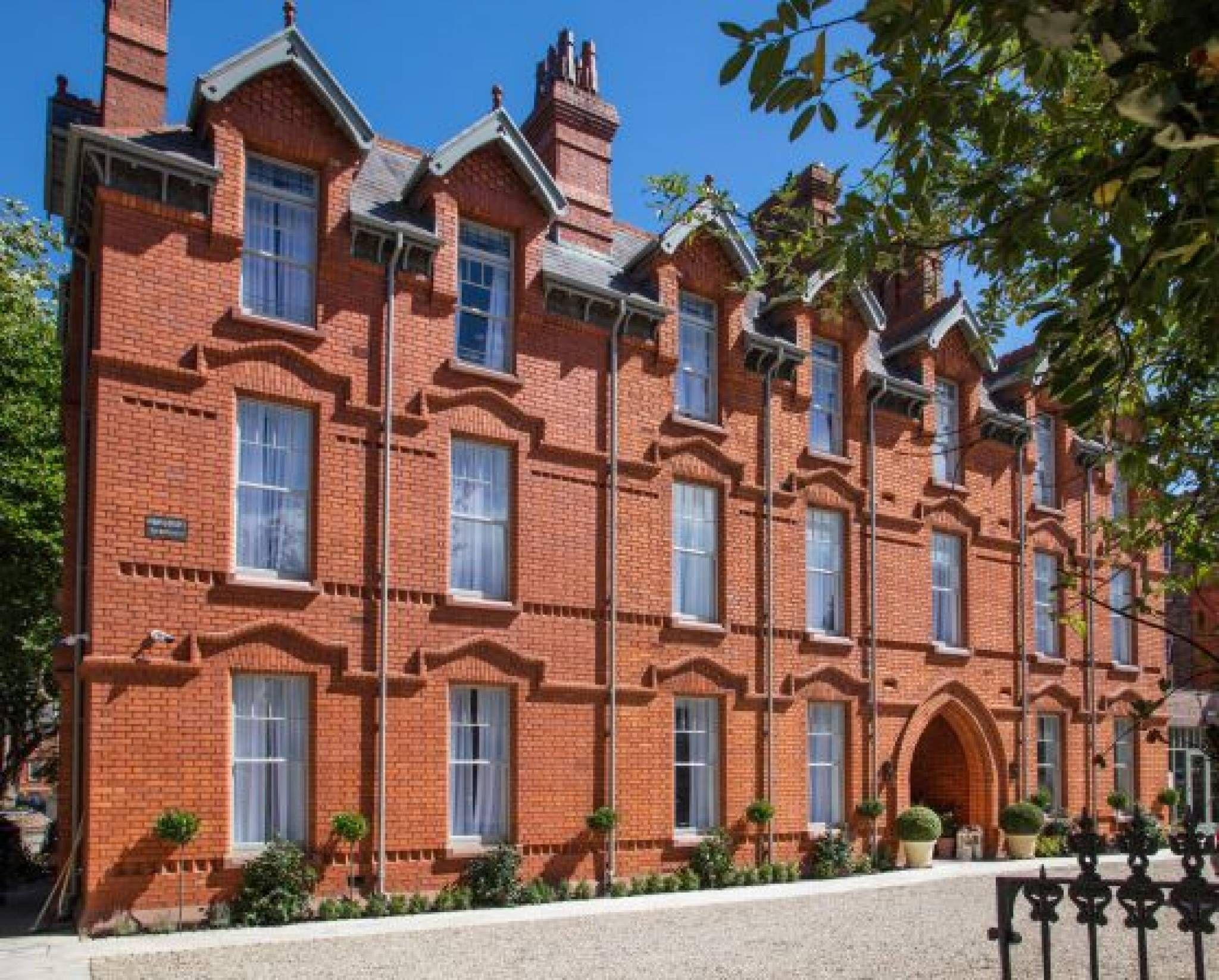
2. Temple Bar Inn
Show on map


 Check-infrom 15:00 until 23:59Check-outuntil 11:00
Just a few rooms left at the best rate!
from€ 159
Best Premium Stays
These two hotels bring additional facilities - on-site wellness, canal or river views, and higher room specifications - that justify a higher nightly rate for stays where comfort and amenities matter as much as location.
-
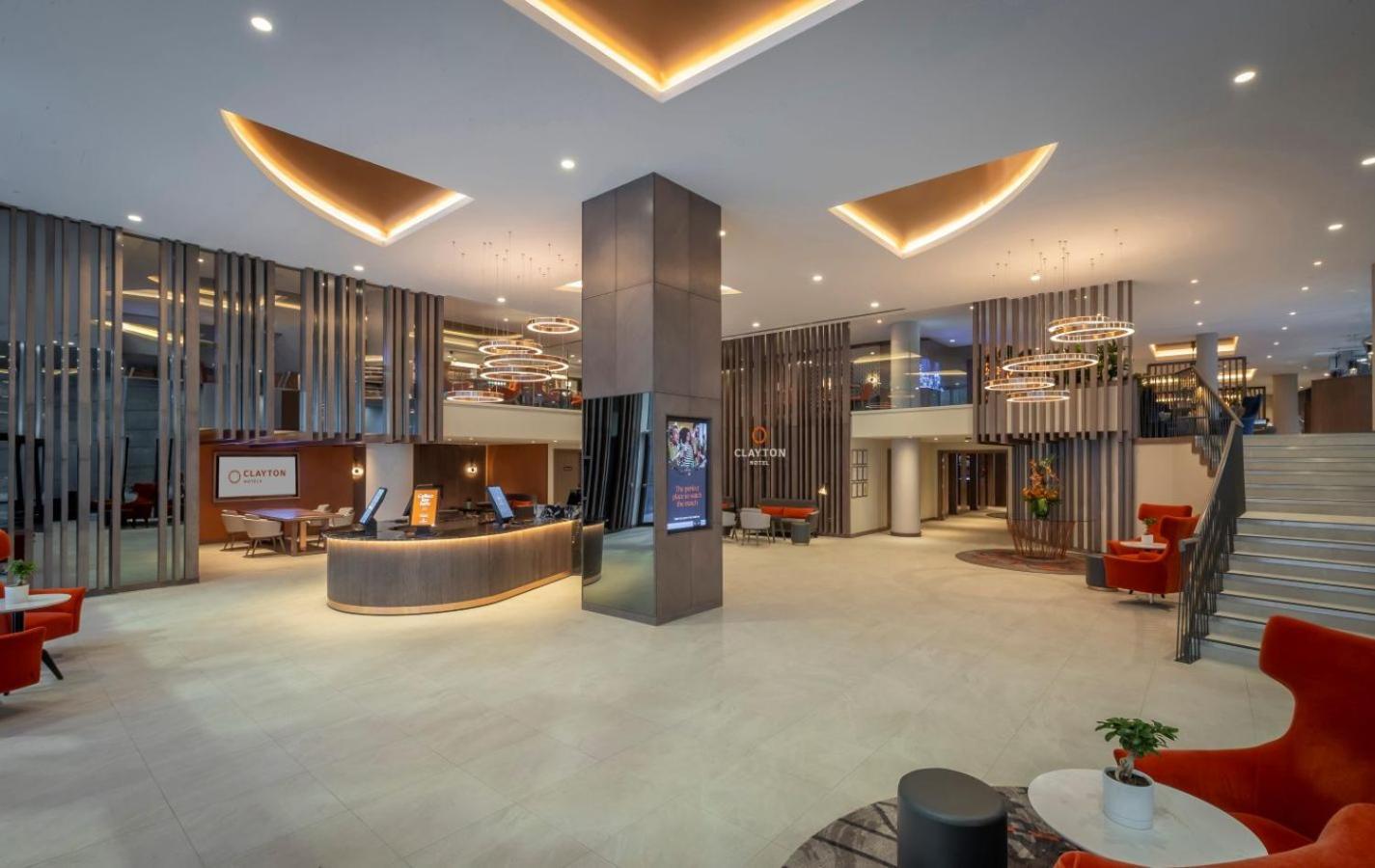
3. Hilton Dublin
Show on map


 Check-infrom 16:00 until 23:59Check-outuntil 12:00
Hurry – almost gone at this price!
from€ 139
-
4. The Spencer Hotel
Show on map


 Check-infrom 15:00 until 23:59Check-outuntil 12:00
Rooms filling fast – secure the best rate!
from€ 198
Smart Travel & Timing Advice for Dublin City Centre
June through August is peak season in Dublin City Centre, and boutique hotels here fill faster than larger chain properties during this window - availability at well-reviewed addresses can disappear around 6 weeks before arrival dates. St. Patrick's Day on 17 March triggers a city-wide surge that rivals summer pricing, with central hotels selling out months in advance; the same applies to major Six Nations rugby fixtures when Ireland plays at the Aviva Stadium. September and October offer a practical middle ground: daylight hours remain reasonable, summer crowds thin out, and nightly rates drop noticeably from their August peaks without losing the lively pub and restaurant atmosphere that defines the city centre. January and February bring the lowest rates and minimal queues at major attractions like the Book of Kells at Trinity College and the Guinness Storehouse on Thomas Street, but pack for rain and expect short afternoons. 3 nights is the minimum that makes a Dublin City Centre boutique stay feel worthwhile - enough time to cover the main landmarks on foot, explore the Docklands and IFSC area, and spend an evening in Temple Bar without feeling rushed. Last-minute bookings in summer are a gamble; for boutique properties specifically, early booking consistently unlocks better room categories at base rates.